Most people spend months waiting for the right moment to apply for Singapore PR, only to find there is no secret window or magic month that guarantees approval. The best time to apply for Singapore PR is when your profile is at its strongest, not when the calendar says so.
This guide explains what strong actually means, how long most successful applicants wait before submitting, and what 2026 specifically offers in terms of PR intake and processing conditions.
Why Timing Your PR Application Matters More Than Most People Think
ICA does not use a fixed points system or a monthly intake batch. Every PR application is assessed holistically, taking into account economic contributions, qualifications, age, family profile, and length of residency. A premature application filed before you have built those elements rarely produces an approval.
The good news for 2026 applicants is that the Singapore government has committed to approving approximately 40,000 new PRs per year over the next five years, up from 35,264 approved in 2024. That is a meaningful increase in available places and represents a genuine opportunity for qualified applicants.
How Long Should You Wait Before You Apply?

There is no official minimum residency period for Singapore PR applications under the PTS Scheme. In practice, most immigration consultants recommend waiting at least two years before submitting your Singapore PR application. Here is why that number matters.
Two full years of employment gives ICA at least two Notice of Assessment (NOA) documents to review, showing stable income and consistent tax filings. Two years of CPF contributions builds a credible financial record. Two years of physical presence in Singapore creates a persuasive residency story.
For S Pass holders, the bar is higher. S Pass applicants generally need three or more years of continuous employment before they accumulate a profile compelling enough to succeed. An early application with a thin record is unlikely to convert.
When Your Profile Is Genuinely Ready

The difference between a technical application and a competitive one comes down to the quality of what you can show ICA. A profile ready for submission typically looks like this.
You have held a valid Employment Pass or S Pass for at least two years with no significant gaps. Your salary has increased over time, not stayed flat. You have filed at least two years of income tax and your CPF contributions are consistent with your declared income. If you or your spouse have family ties in Singapore, such as a Singaporean parent, sibling, or spouse, those connections are documented.
Your children, if any, are enrolled in local schools. And critically, you have been physically present in Singapore for the majority of your employment period. Applicants aged 21 to 40 make up over 60% of annual PR approvals. If you are approaching 45 or above, applying sooner rather than later with a strong profile is the practical approach.
Does the Month You Apply Change Anything?
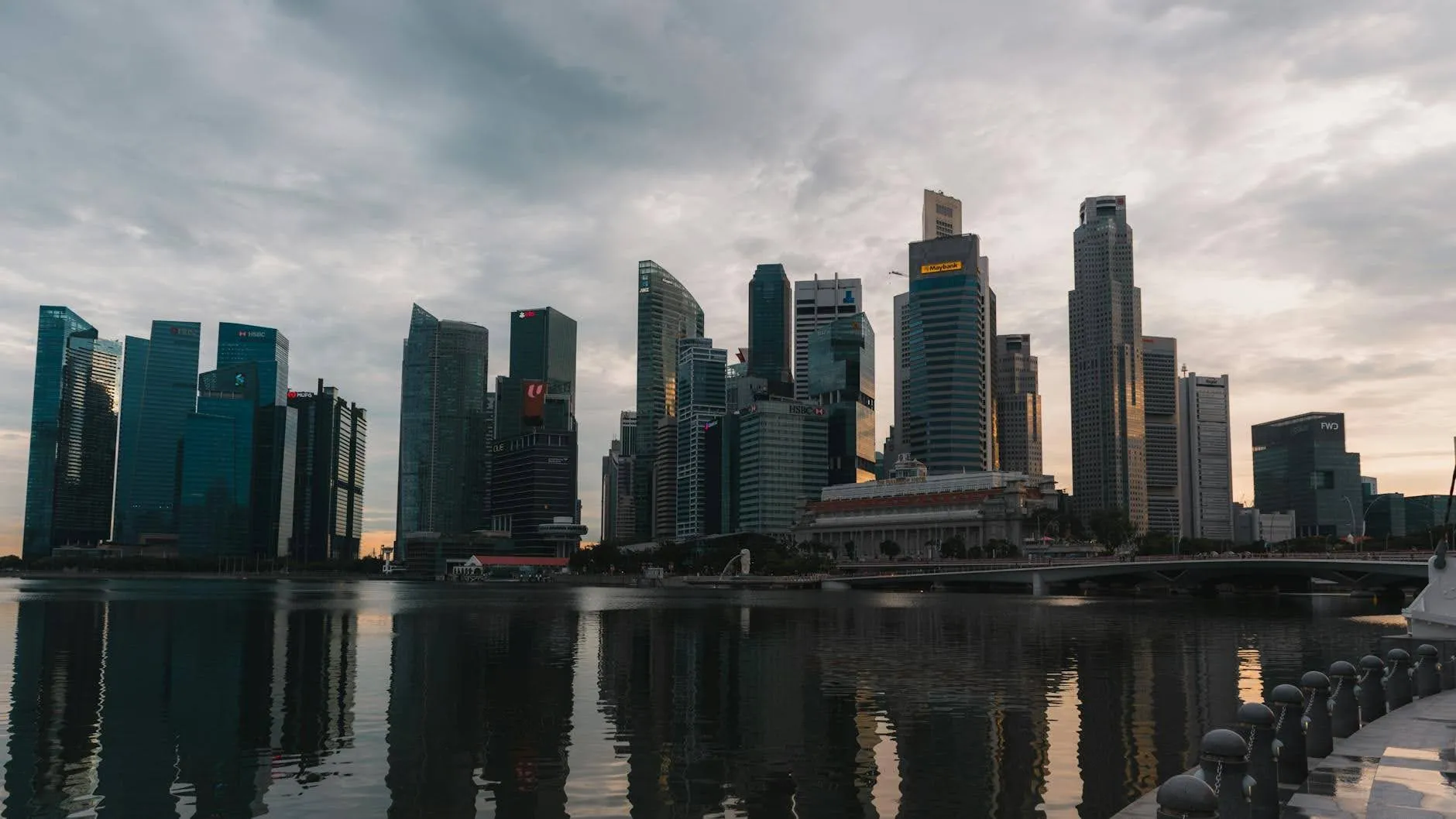
ICA does not publish seasonal intake cycles, quarterly processing windows, or any calendar-based system that would make one month strategically better than another. There is no peak season for PR approvals.
What does change the timing equation is your own circumstances.
Apply after a significant pay rise or promotion, because you can immediately submit updated payslips as supporting documents. Apply when your employment is stable, not immediately before or after a job change. Apply before any extended overseas travel, since a long absence from Singapore after filing weakens your residency intent signal during the review period.
And apply when your documentation is complete and verified. A single missing NOA, an unsigned statutory declaration, or payslips that do not align with your declared income can delay your application or prompt an ICA request for additional documents.
What to Expect During the Processing Period

ICA states that PR applications are typically processed within six months, provided all required documents are submitted correctly. In practice, the range is four to twelve months depending on profile complexity and ICA workload.
During that window, ICA may contact you by email or post to request additional documents or clarification. Respond promptly. You can also submit supplementary documents proactively, such as a recent promotion letter, updated payslips, or your latest NOA, if they become available after your initial submission.
Do not change jobs during the review period if you can help it. It is not automatically disqualifying, but it introduces uncertainty that can extend processing time.
Key Government Resources to Read Before You Apply
Before submitting anything, read through ICA’s official PR page carefully. ICA periodically updates its requirements and document checklists, and the official page is always the authoritative source. Do not rely solely on third-party articles for current document requirements.
Your current work pass status also matters. The Ministry of Manpower manages Employment Pass and S Pass eligibility, and your pass must be in good standing at the time of your Singapore PR application. A pass with a low salary relative to local peers may affect how ICA perceives your economic contribution profile.
Should You Use an Immigration Consultant?
You can apply for Singapore PR without professional help. ICA’s e-PR portal is designed for direct submission. But most applicants who work with a registered immigration consultant do so because the preparation stage matters as much as the submission itself.
A consultant audits your documents for completeness and consistency, advises on what to include and what to leave out, helps you craft a personal statement that tells a coherent Singapore story, and identifies gaps in your profile before you file rather than after a rejection. For applicants who want to understand the full scope of benefits of Singapore PR before deciding, understanding what you are working towards also helps with motivation during the preparation process.
Conclusion On The Best Time Is When You Are Ready
There is no universally best month to apply for Singapore PR. The best time is when your employment record is solid, your financial documentation is clean, your CPF contributions are consistent, and your ties to Singapore are genuine and documentable.
If you are unsure whether your profile is ready, a professional eligibility assessment is the fastest way to find out. Singapore Immigration Consultancy offers assessments for applicants at all stages, from those who are just beginning to build their Singapore record to those ready to submit within weeks.
Frequently Asked Questions About PR Application Timeline
When Is The Best Time To Apply For Singapore PR?
There is no single best month. The best time to apply for Singapore PR is when your profile is at its strongest: at least two years of stable employment in Singapore, two or more years of income tax filings (NOAs), consistent CPF contributions, and a genuine, documentable residency story. Applying in 2026 is advantageous because the government has increased the annual PR intake to approximately 40,000.
How Long Do You Need To Work In Singapore Before Applying For Pr?
Most immigration consultants recommend a minimum of two years of continuous employment under the PTS Scheme before submitting a Singapore PR application. S Pass holders typically need three or more years. There is no legally mandated minimum, but earlier applications with limited records rarely succeed.
Does The Month You Apply For Singapore Pr Matter?
ICA does not operate on seasonal intake cycles. There is no month that is statistically better than another. What matters is the quality of your profile, the completeness of your documents, and the strength of your economic and residency record at the time of submission.
How Long Does Singapore PR Processing Take?
ICA states that processing takes up to six months for complete applications. In practice, the range is four to twelve months depending on profile complexity and ICA workload. Incomplete applications or those requiring additional document requests take longer.
What Is The Approval Rate For Singapore PR?
ICA does not publish official approval rates. However, with the government committed to approving approximately 40,000 new PRs per year, qualified applicants with strong profiles are applying in a favourable environment. Quality of profile and application preparation remain the dominant factors in any given outcome.
Can I Apply For Singapore PR If I Have Changed Jobs Recently?
You can, but timing matters. A recent job change, particularly one within a few months of application, may raise questions about employment stability in ICA’s assessment. If you must apply after a job change, ensure your new role is with a credible employer, your salary has been maintained or improved, and you have documentation supporting the context of the change.