
A PR rejection stings, but it is not always the end of the road. ICA lets you appeal, and a well-judged appeal can overturn a decision when something in your profile has genuinely improved. The catch is that you usually get one shot, so it has to be done properly. This guide explains when an appeal is worth making, how to submit it to ICA, and what a strong appeal letter actually contains.
Quick answer: Yes, you can appeal a Singapore PR rejection. Submit a written appeal to ICA, ideally within six months, setting out what has genuinely changed in your profile. You normally get one appeal per rejected application, and ICA can take several months to reply.
Can You Appeal a PR Rejection in Singapore?
Yes. ICA allows you to appeal against a rejected PR application, but an appeal is only worth making when there are real improvements or material changes in your profile since you applied. Repeating the same application with the same facts rarely changes the outcome.
Two limits matter from the start. You are generally allowed only one appeal per rejected application, so it is not something to rush. And an appeal should usually be lodged within six months of the rejection date. Because you cannot file a fresh application while an appeal is being considered, the decision to appeal should be deliberate rather than reflexive.
How to Submit Your Appeal Letter to ICA
The cleanest way to submit an appeal is online. ICA provides an official appeal channel, and a digital submission gives you a record and a clear timeline. Have your rejection reference and supporting documents ready before you start.
Submit your appeal through the official ICA e-Service using the appeal form, which is the recommended route. Attach your written appeal letter and any new supporting evidence. Keep the letter concise, ideally no longer than one and a half pages, and make sure every document you mention is actually attached.
What to Include in a Strong PR Appeal Letter
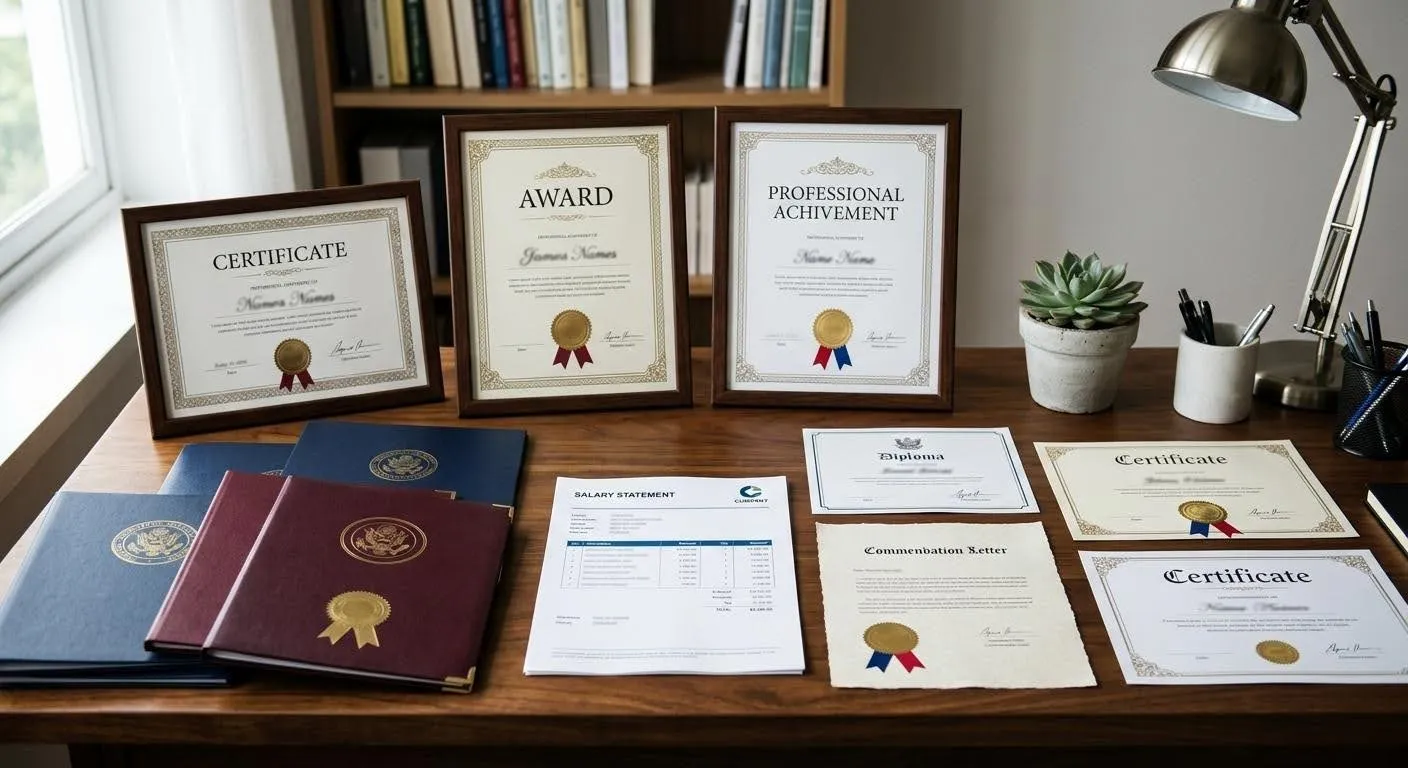
A strong appeal letter answers one question clearly: what has changed since the rejection that should lead ICA to a different decision? Everything else is supporting detail. Focus on concrete, verifiable improvements rather than emotion.
Genuinely persuasive points include new evidence you can now provide, such as a salary increase, a promotion, a professional certification completed since the rejection, or a document you previously omitted. Changed circumstances also carry weight, for example marriage to a Singaporean, the birth of a Singaporean child, or new property ownership, all of which signal deeper integration and commitment.
A Sample Structure for Your Appeal Letter

Use this structure as a guide rather than a script, and keep the tone factual and respectful throughout.
- Opening: State that you are appealing a rejected PR application, with your application reference and the date of rejection.
- Body: Set out, point by point, what has changed since your application, with figures and dates, and reference the new documents you are attaching.
- Close: Restate your commitment to settling in Singapore in plain terms, thank ICA for reconsidering, and sign off with your full details.
How Long ICA Takes to Reply, and What to Do While You Wait
Appeals are not quick. ICA can take several months to respond, and during that time you cannot lodge a new PR application. Use the waiting period productively rather than anxiously.
Keep building the profile you described in your appeal. Stay in stable employment, keep your documents current, and avoid changes that would contradict what you told ICA. If the appeal is unsuccessful, you can usually apply again later with a stronger profile, which is why protecting your approval chances over time matters.
Common Appeal Mistakes to Avoid
The most common mistake is praising Singapore instead of presenting your own case. ICA has read thousands of letters about the country’s healthcare, safety and schools, and they add nothing. The space is far better spent on what you contribute and what has changed.
Other avoidable errors include appealing with no new information, writing pages of background instead of a focused case, and submitting after the window has closed. Because you usually get a single appeal, it is worth getting a second opinion before you send it.
Conclusion: Make Your One Appeal Count
A rejection is not a verdict on your future in Singapore, but your appeal needs to be sharper than your original application. Lead with what has genuinely changed, keep it short and factual, and submit it within the window. Because you typically get only one appeal, the quality of that single letter matters more than anything else.
If you want a professional review before you appeal, reach out to us at Singapore Immigration Consultancy and we will assess whether your profile has changed enough to justify an appeal, and how best to present it.
Not sure if your appeal is strong enough? Speak to our PR specialists before you submit.
Frequently Asked Questions About Appealing a PR Rejection in Singapore
How many times can I appeal a PR rejection in Singapore?
You are generally allowed one appeal per rejected PR application. Because of this, you should only appeal when there are genuine improvements or changes in your profile that justify a different decision.
How long do I have to appeal a PR rejection?
An appeal should usually be submitted within six months of the rejection date. Lodging it within this window keeps your options open and signals that you are serious about the outcome.
How long does ICA take to reply to a PR appeal?
ICA can take several months to respond to an appeal. During that period you cannot submit a new PR application, so it is worth ensuring your appeal is complete and well prepared before you send it.
What should I avoid putting in my PR appeal letter?
Avoid generic praise of Singapore and emotional pleas. Focus instead on concrete, verifiable changes since your application, such as a higher salary, a promotion, new qualifications, or changed family circumstances.