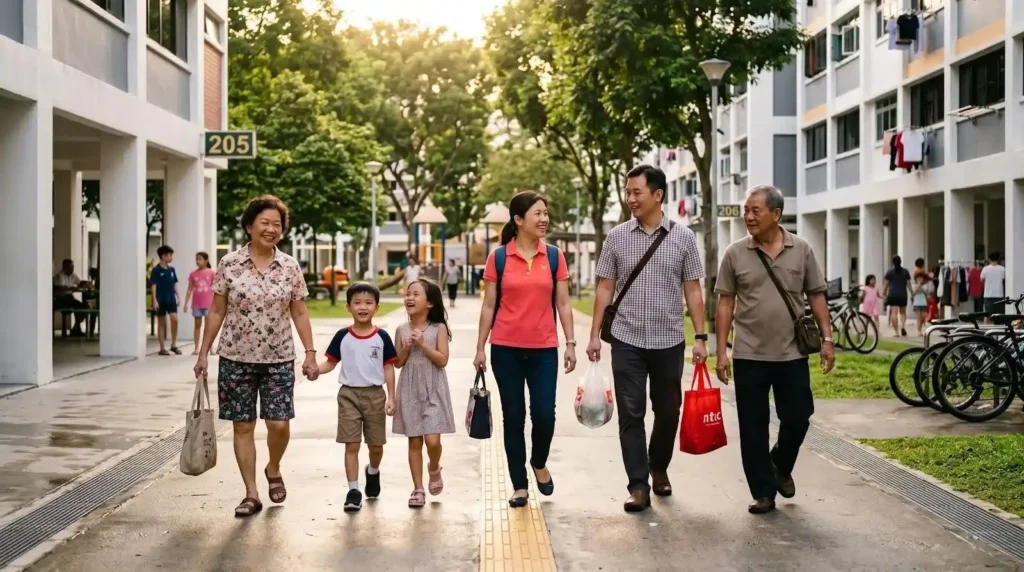
Quick answer: The main advantages of citizenship over PR are security and access. Citizens vote, hold a Singapore passport, never need a re-entry permit, and can buy a new HDB flat with housing grants, and their status can never lapse. The trade-offs are that Singapore does not allow dual citizenship, so you must give up your other passport, and sons become liable for National Service.
If you already hold permanent residence, the natural next question is whether becoming a citizen is worth it. Both statuses let you live and work here for good, so the differences that matter are in housing, travel, stability, and what you give up in return. This guide focuses on the real advantages of Singapore citizenship over PR, and helps you judge whether upgrading fits your family. For a plain side-by-side of every category, see the full breakdown of PR and citizen differences on our site.
Housing: BTO, resale and grants
Housing is where the gap is widest. Only households with at least one Singapore citizen can buy a new Build-To-Order flat directly from HDB. A PR cannot buy a BTO flat alone or with another PR. PRs are limited to resale flats on the open market, and even then only after holding PR status for three years.
Citizens also unlock the CPF housing grants, such as the Enhanced CPF Housing Grant and the Family Grant, which can take a large sum off the price of a flat. Those grants are generally not open to PR households. For a young family planning to buy, this single difference can be worth tens of thousands of dollars.
CPF and everyday costs
Both PRs and citizens contribute to CPF, so the retirement and healthcare framework is broadly the same. In the first two years after getting PR, employer contribution rates are lower on a graduated scale, and once you have held PR for more than two years your CPF rates match a citizen’s. In day-to-day terms, the CPF difference between a long-standing PR and a citizen is small.
Travel and the re-entry permit
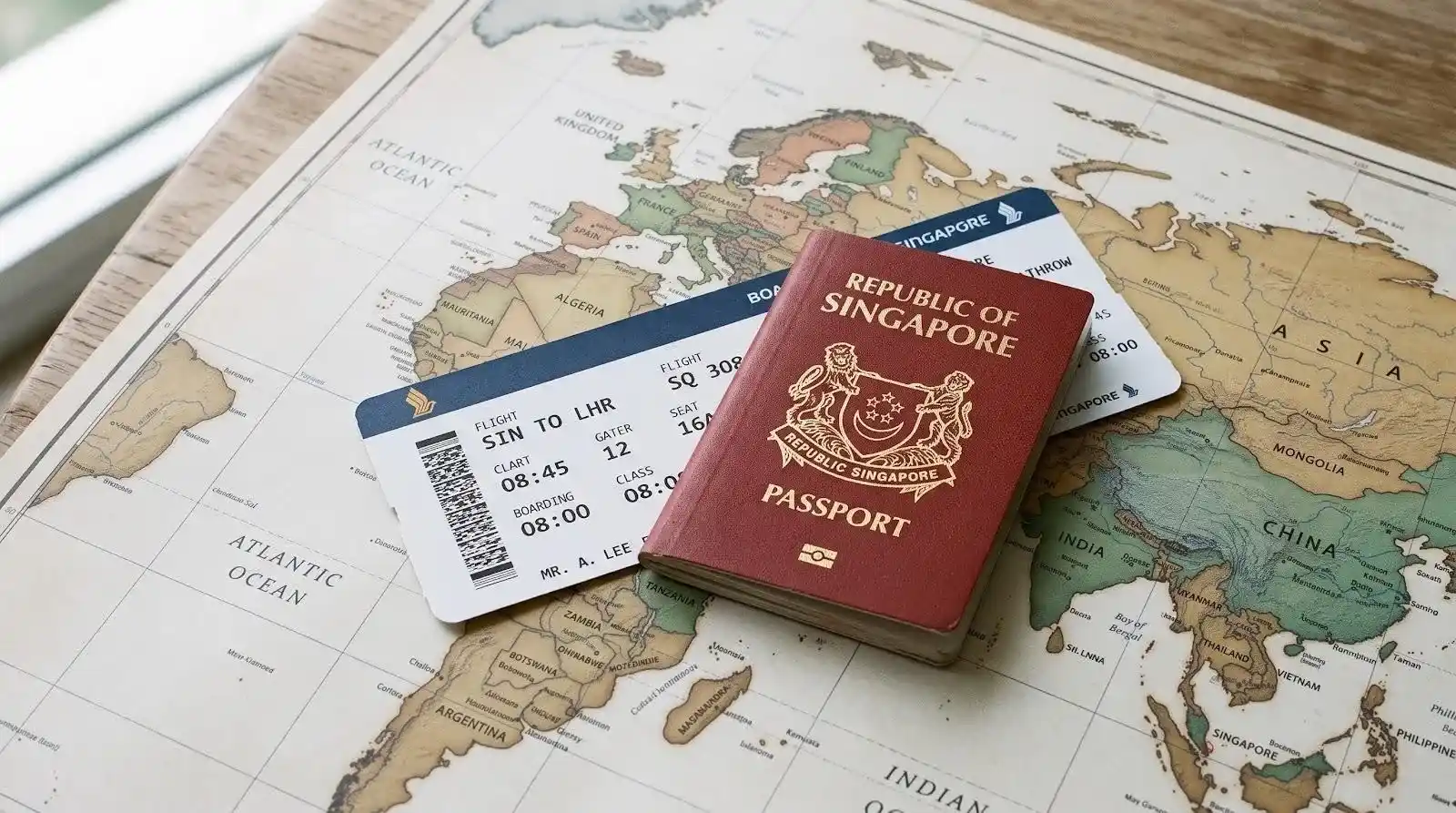
This is one of the clearest advantages of citizenship. A PR must keep a valid re-entry permit to hold on to their status, and must still travel on their original foreign passport. Let the re-entry permit lapse while you are overseas and your PR can simply end. A citizen carries the Singapore passport, one of the strongest in the world for visa-free travel, and never has to renew a re-entry permit or worry about their status disappearing.
Voting, stability and your children
Only citizens can vote. Beyond the ballot, citizenship gives a permanence that PR does not. Your status cannot be lost for spending time abroad, your children born to you are Singapore citizens, and families often value the certainty this brings for schooling and long-term planning. If you intend to make Singapore your family’s permanent home, that stability is the real prize, over and above the benefits you already enjoy as a PR.
The trade-offs: dual citizenship and National Service
Singapore does not recognise dual citizenship for adults. To become a citizen you must renounce your other nationality, and getting a renounced citizenship back later is very difficult. This is the biggest single reason PRs hesitate, especially if their home country makes returning hard.
The second consideration is National Service. Sons of citizens, and second-generation male PRs, are liable to serve two years of full-time NS followed by reservist duty. For families with boys, this is a serious commitment to weigh, not a footnote.
So should you upgrade from PR to citizenship?
There is no universal answer, only a fit with your plans. If Singapore is clearly your permanent home, you want to buy a BTO flat with grants, and you are comfortable giving up your other passport, citizenship is usually the stronger position. If you still want the option of moving back to your home country, or keeping that passport matters to you, staying a PR and simply renewing your re-entry permit may serve you better for now. Many families take citizenship only once they are certain, because the decision is very hard to reverse.
Making the PR to citizenship decision with a clear head
PR and citizenship are not a ladder you must climb. They are two different commitments, and the right one depends on where your family is heading over the next decade. Weigh the housing and stability gains against giving up your other passport and the National Service commitment, and be honest about how permanent your plans really are.
If you are weighing the move and want it assessed against your actual profile, reach out to us and we will talk it through. Singapore Immigration Consultancy has guided many PRs through both keeping their status and applying to become citizens, so you can decide with facts rather than guesswork.
Still weighing PR against citizenship for your family? Speak to our consultants and get a clear read on your options.
Frequently Asked Questions About Singapore PR vs Citizenship
Is it better to be a Singapore PR or a citizen?
It depends on your plans. Citizenship gives voting rights, a Singapore passport, BTO access with housing grants, and status that never lapses. PR keeps your original passport and lets you leave more easily, but you must renew a re-entry permit and cannot buy a BTO flat.
Can a Singapore PR buy a BTO flat?
No. Buying a new BTO flat requires at least one Singapore citizen in the household. PRs can only buy HDB resale flats on the open market, and only after holding PR status for three years.
Does Singapore allow dual citizenship?
No. Singapore does not recognise dual citizenship for adults, so to become a citizen you must renounce your other nationality. Recovering a renounced citizenship later is very difficult, which is why the decision needs careful thought.
Do children of Singapore PRs have to serve National Service?
Second-generation male PRs are liable for National Service, and so are sons of citizens. It involves two years of full-time service followed by reservist duty, so families with boys should factor this in before upgrading.
What are the main advantages of Singapore citizenship over PR?
The key advantages are voting rights, a Singapore passport with strong visa-free travel, the ability to buy a BTO flat with CPF housing grants, no re-entry permit to maintain, and a status that cannot lapse while you are overseas.